The full anatomy of a phishing site,
one URL at a time.
ZeroPhish renders the page, runs twelve detection signals against the DOM, certificate chain, brand fingerprint and threat feeds, and returns a typed verdict. Built for security teams and product engineers.
Phishing detected
| URL | hxxps://7-0070hu[.]vercel[.]app/ | |
| Host | 7-0070hu[.]vercel[.]app | |
| Registered domain | vercel[.]app | |
| Screenshot | https://cdn.zerophish.ai/34aeef19-6757-4116-9cec-0c98a58b5d76.jpg | |
| Scan ID | 876870f2-4c5e-4bdc-82fe-dbcff439793c |
|
640 d ago
|
PHISHING | office365-mauve.vercel.app | view → |
No brand impersonation signals available.
| Host | 7-0070hu.vercel.app |
| Registered domain | vercel.app |
| Scheme | https |
| Content length | 46004 B |
| HTTP | 200 · text/html |
| DMARC policy | none |
| SPF policy | none |
| MX records | none |
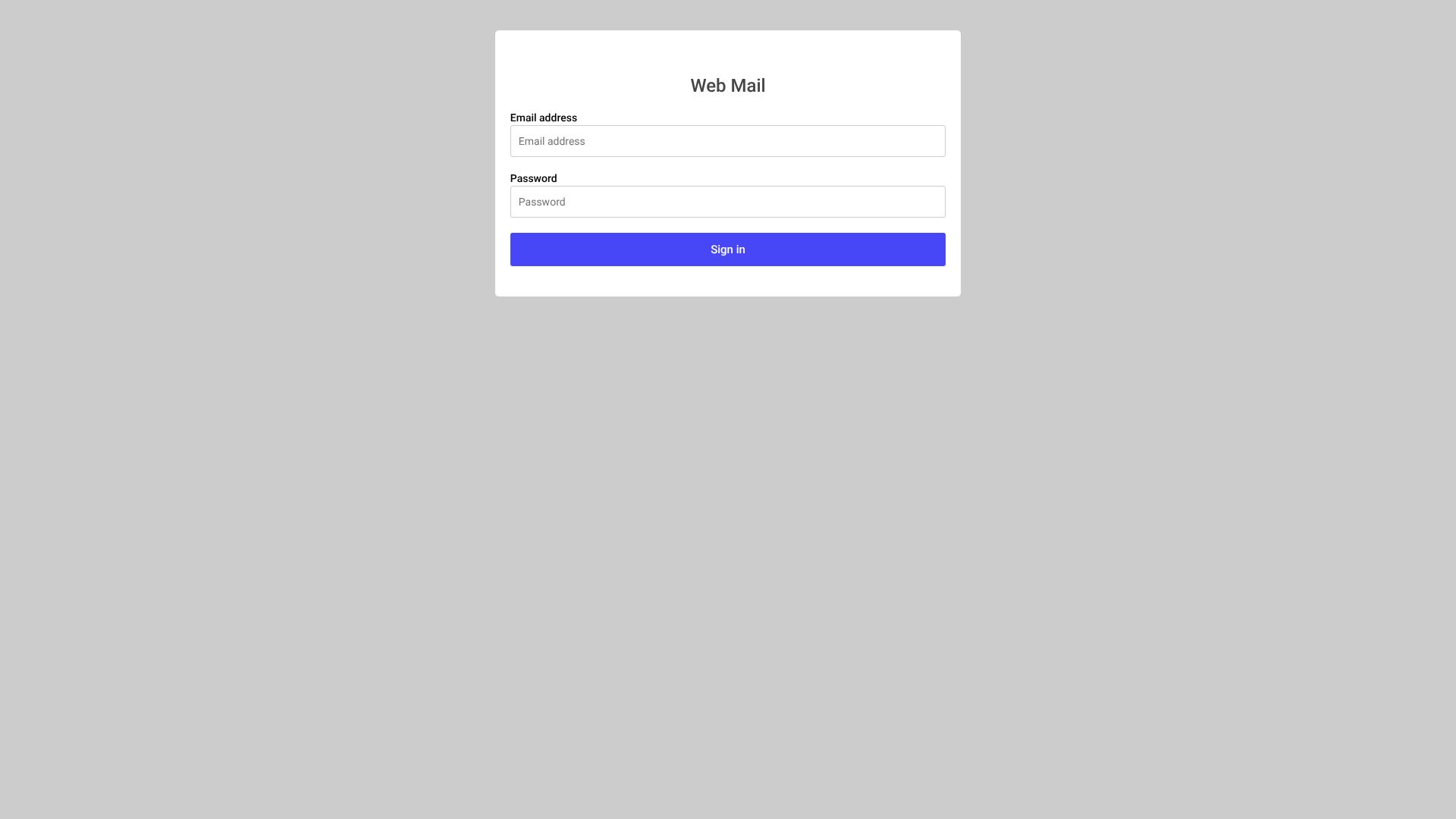
The page presents itself as a generic “Web Mail” sign-in screen. It shows a credential-collection form with labels for “Email address” and “Password” and a “Sign in” button.
Several phishing signals are present: the URL is a Vercel subdomain (https://7-0070hu.vercel.app/) rather than any known mail provider’s domain, and there is no verifiable brand attribution in the content. The page also displays an authentication-style error message (“Incorrect email password, try again!”) that can be used to keep users interacting while attempting repeated logins.
Because the UI is a convincing login template but hosted on an unrelated, non-branded domain, it is highly consistent with phishing rather than a legitimate account portal.
The page at 7-0070hu.vercel.app is a bare “Web Mail” credential harvester with no legitimate branding. On submitting the email/password form, the credentials are exfiltrated via XHR POST to api.telegram.org (bot ID 8748740538, chat ID 8397796619), along with the victim’s IP and geolocation. This is a confirmed phishing page using Telegram as the command-and-exfil backend.